Marion confides the truth about her marriage to Julia
My PolicemanMarion confides the truth about her marriage to Julia during a late-night walk through Queen’s Park, turning a private recognition into a spoken account of Tom Burgess’s relationship with Patrick Hazlewood. Julia’s response offers both an unsparing judgment of Tom and an unexplained hint that she, too, is implicated in the dishonesty Marion condemns. The conversation becomes a rupture: Marion has finally spoken, but Julia walks away, and the intimacy they once shared does not return in their later correspondence.
The Conversation in Queen’s Park
After a distressing evening, Julia invites Marion to walk through the park. They cross its dry summer grass and stop at the rose garden, where Marion struggles to begin. She first says that she does not know what to do about Tom. Julia observes that Tom does not know Marion either, a brief remark that exposes the emotional distance in the marriage before Marion has explained its cause.
Marion tries to raise what Julia had said about Patrick, but falters. Julia gives her permission not to talk. Marion then acknowledges that Julia’s assessment is true and that it applies to Tom as well. She makes the central fact explicit: Tom and Patrick are in Venice together. In this way, the scene moves from a difficult attempt at confession to an admission Marion can no longer keep unspoken. Julia responds that men have such freedom, even when they are married, locating Marion’s private pain within an unequal freedom she sees as available to men.
Marion’s Account and Julia’s Warning
Julia leads Marion to sit beneath a willow. Marion later tells Patrick that she was not crying and felt unexpectedly light after speaking. Once she has begun, she says, she cannot stop. She recounts meeting Tom, his swimming lessons, his proposal in Patrick’s flat, and the look she saw pass between Tom and Patrick on the Isle of Wight. She also includes Sylvie’s warnings. Rather than meeting Julia’s gaze, Marion watches moonlight flicker between the leaves; looking directly at her, she feels, might make her falter or lie. The accumulating account is thus both disclosure and a test of whether she can tell the truth without retreating from it.
When Marion finishes, Julia is quiet. She puts a hand on Marion’s, but offers sympathy rather than the embrace Marion remembers from the beach. Then she looks directly at Marion and tells her that Tom will not change. Marion is stunned. Julia explains that she is sorry, but believes telling Marion is the kindest thing she can do. Her warning does not resolve what Marion should do; it removes the possibility that the marriage’s central deception will simply disappear through Tom’s change of heart.
Julia’s Unexplained Admission and Departure
Marion objects to the lying and insists that Tom is in the wrong. Julia answers that, if so, she is wrong too. She does not explain what she means, leaving Marion without the disclosure or clarification she might have expected from a close friend. The remark complicates the scene’s moral division: Julia has condemned Tom’s freedom and dishonesty, yet her answer suggests that her own position is not innocent. The text does not specify the nature of her implication.
Marion cannot speak and does not know what she feels. Julia tells her that she must open her eyes, calls her too bright not to, and says it is a waste. Then Julia walks away with her arms held tightly at her sides and her head bowed. The physical departure gives the conversation an immediate consequence: Marion has told the truth, but the two women do not leave the park with a repaired friendship or a shared plan.
The Long Aftermath
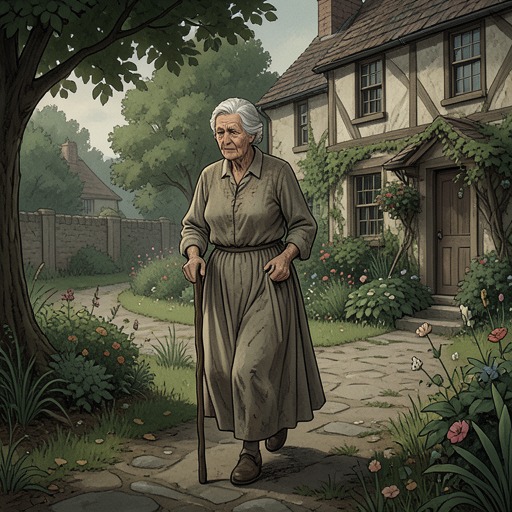
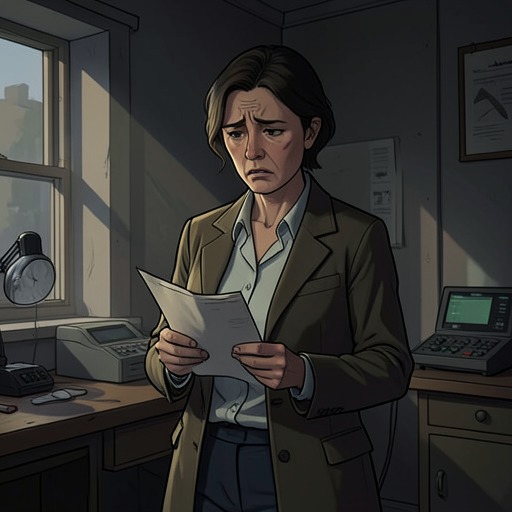
Marion’s later account looks back on the conversation through the years of distance that follow. She writes to Julia repeatedly, hoping for forgiveness, and reports parts of her life she believes Julia would approve of: becoming deputy head at St Luke’s Infants’ School, starting a school group for the Campaign for Nuclear Disarmament, and studying feminism and literature in an evening course at Sussex University. She does not mention Tom or Patrick in those letters, though she believes Julia knows what happened and what Marion did. Julia’s replies remain perfunctory and formal, concerned with walks, renovations to her house and garden, and her continuing regret at missing teaching.
The correspondence preserves contact but not the old closeness. Marion still hopes for personal revelations or a return of the humour she loved in Julia; instead, she receives polite updates. Looking back, she wonders whether greater courage might have kept Julia close and made her available to help with Patrick’s care. That regret connects the park conversation to Marion’s later responsibilities: the rupture is not only an emotional loss, but, in Marion’s view, the loss of a friend who might have helped her manage difficult practical demands.